

 Feed back
 Privacy Policy
CosmoTrip
When cancer disrupts your life, the journey between home and hospital becomes more than physical travel - it's an emotional odyssey requiring special preparation. Cancer sentimental packing transforms this challenging experience by incorporating emotional travel essentials that create a home away from home during treatment.

The American Cancer Society reports that 82% of patients experience significant anxiety when traveling for treatment. Unlike regular packing, emotional travel essentials serve psychological needs first, physical comfort second. These carefully selected items form a bridge between medical necessity and personal identity.
Maria's experience demonstrates the power of cancer sentimental packing. "My grandmother's scarf became my security blanket," she recalls. "When I wrapped it around my shoulders during chemotherapy, I could almost hear her voice." This emotional anchor proved more valuable than any physical comfort item alone.
A 2023 Journal of Oncology Nursing study revealed that patients using emotional travel essentials showed 37% lower stress hormone levels during hospital stays. The research confirms what survivors like Maria discovered empirically - these items provide measurable psychological benefits.
Creating a personalized sanctuary through cancer sentimental packing requires understanding your unique emotional needs. The process involves more than throwing comforting items into a bag - it's about strategically selecting elements that reinforce your identity beyond being a patient.
1. Tactile Comfort: Weighted blankets, textured fabrics, or stress balls provide physical grounding
2. Sensory Connections: Familiar scents through essential oils or photographs with distinct visual memories
3. Creative Expression: Journals, adult coloring books, or small craft projects
4. Digital Bridges: Custom playlists, audiobooks, or video messages from loved ones
5. Ritual Objects: Prayer beads, meditation apps, or other spiritual tools
The 2022 Harvard Medical Review found that nostalgic items reduced treatment-related depression by 29%. These emotional travel essentials work by activating the brain's reward centers while simultaneously lowering activity in regions associated with pain perception.
Cancer sentimental packing isn't static - it evolves as your treatment progresses. Recognizing how your needs change allows you to modify your emotional travel essentials accordingly, ensuring you always have appropriate support.
During this uncertain time, 68% of patients report needing items that provide structure. Practical emotional travel essentials might include:
- A dedicated notebook for questions and observations
- Comforting podcasts for waiting rooms
- A small token representing your support system
The National Cancer Institute notes this phase benefits most from cancer sentimental packing. Patients report these particularly helpful items:
- Soft fabrics for sensitive skin
- Gentle, familiar scents
- Distraction tools for lengthy procedures
Post-treatment, emotional travel essentials often shift toward symbolic items representing survival. Many survivors keep:
- Treatment milestone markers
- Gratitude journals
- Transition objects marking their new normal
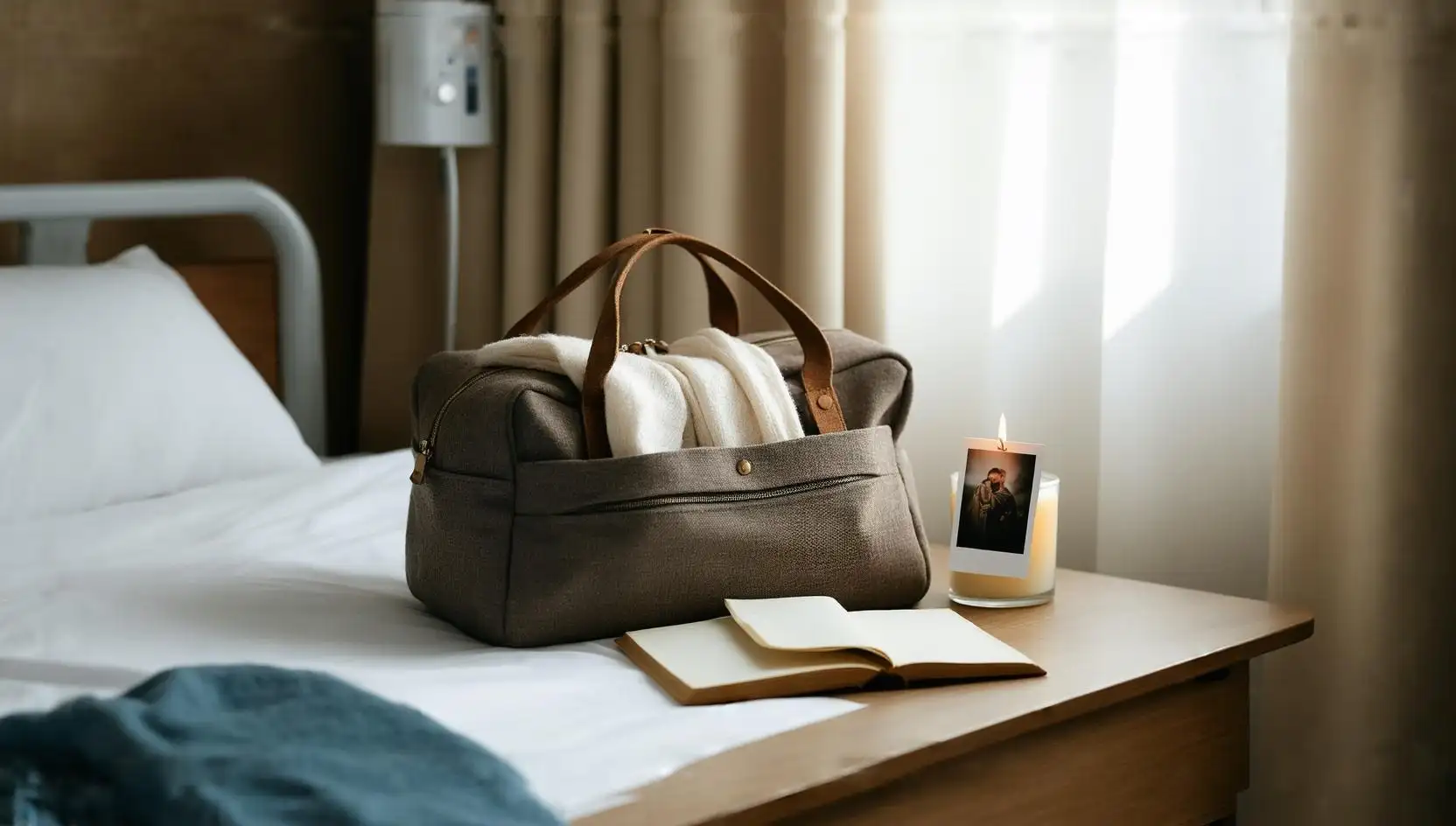
Many patients forget to include items stimulating multiple senses simultaneously. A scented photo album, for example combines visual and olfactory memory triggers for enhanced comfort.
Review your emotional travel essentials monthly. As treatment progresses, your needs will change. Regular reassessment ensures your kit remains relevant and supportive.
While digital items provide convenience, research shows physical objects often offer deeper emotional connection. A 2023Stanford study found tactile items produced 42% stronger positive emotional responses than digital equivalents.
【Disclaimer】The content regarding Cancer Travelers: Emotional Packing and Nostalgic Essentials is for informational purposes only and does not constitute professional medical advice. Readers should consult qualified healthcare providers for individual guidance. The author and publisher disclaim liability for any actions taken based on this information.
Hannah Simmons
|
2025.09.16
